

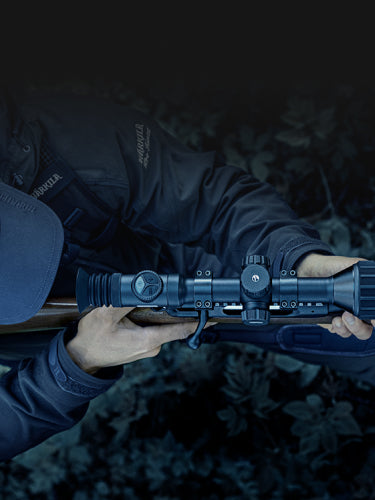
-
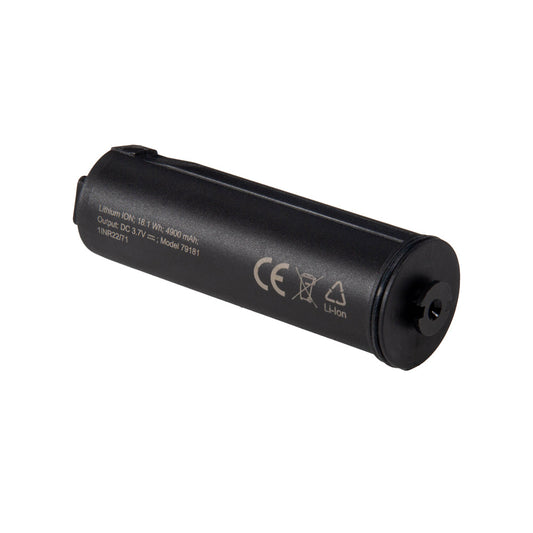
Pulsar Battery Pack LPS 7i
Regular price $129.97Regular priceUnit price per -
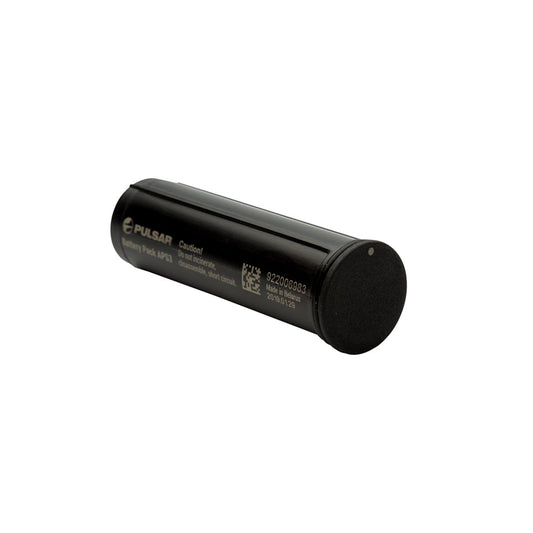
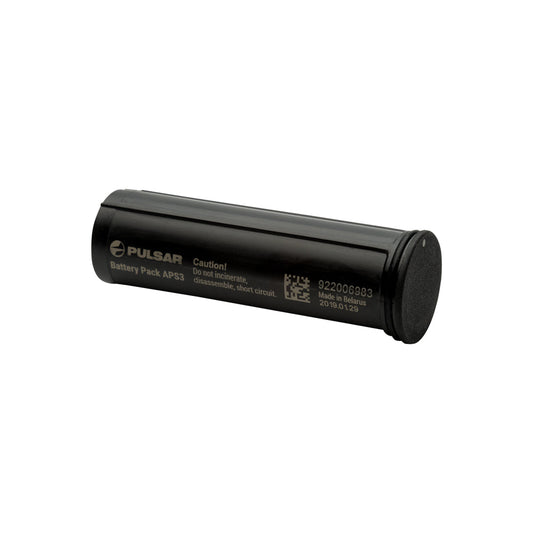 Sale
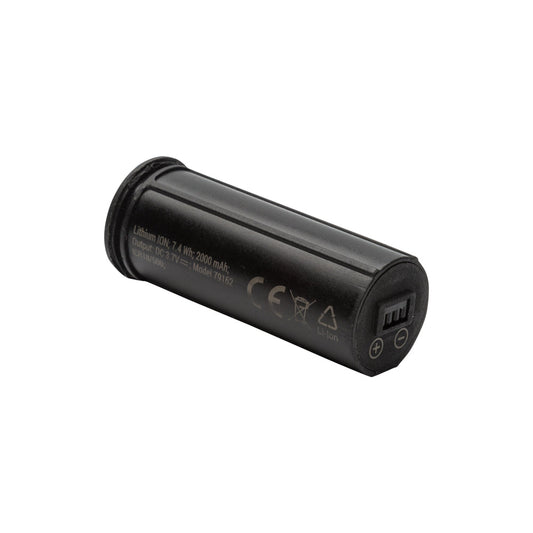
SaleBattery Pack APS 3
Regular price $99.97Regular priceUnit price per$137.99Sale price $99.97Sale -
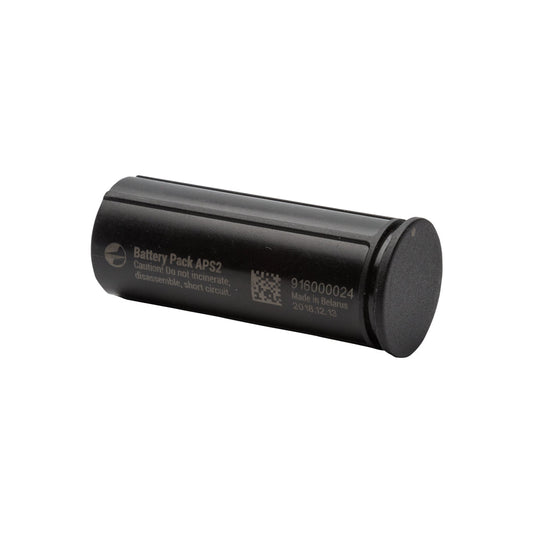
 Sale
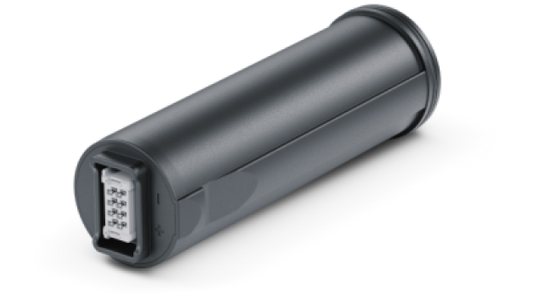
SaleBattery Pack APS 2
Regular price $79.97Regular priceUnit price per$110.39Sale price $79.97Sale -
Battery Pack APS 5
Regular price $69.97Regular priceUnit price per -
Battery Pack APS 5T (Talion)
Regular price $69.97Regular priceUnit price per -
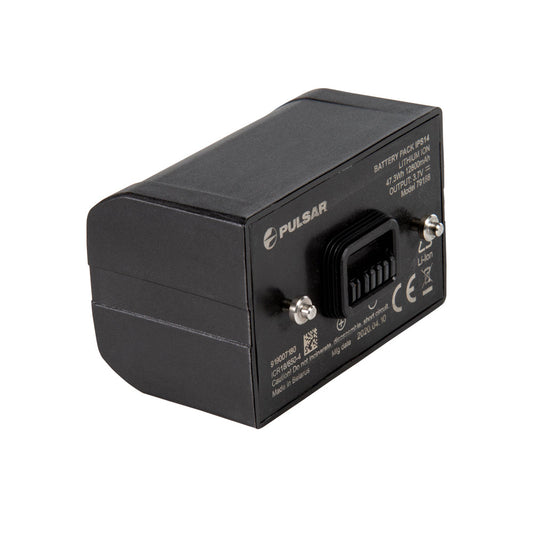
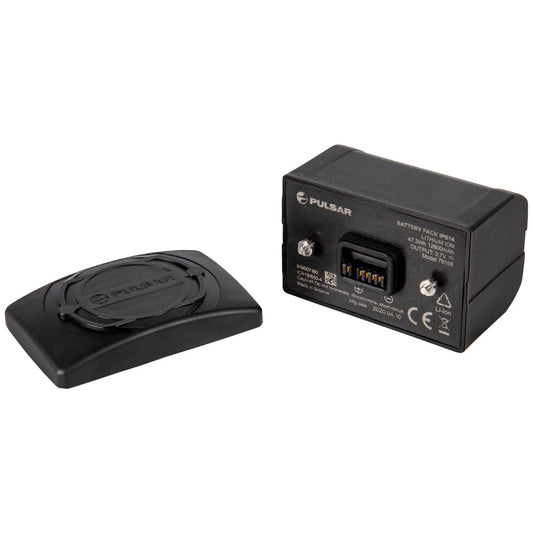
IPS 14 Battery Pack
Regular price $119.97Regular priceUnit price per -
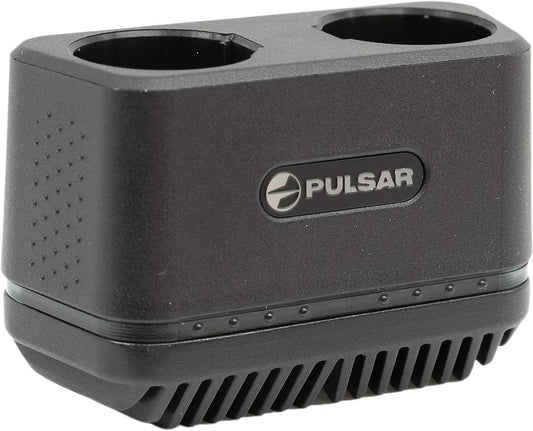
APS 5 Battery Charger
Regular price $59.97Regular priceUnit price per$71.99Sale price $59.97Sale -
TPS 7 Battery Charger
Regular price $79.97Regular priceUnit price per
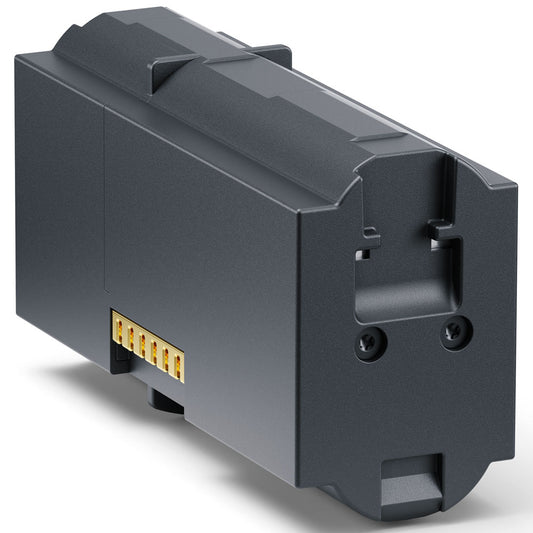
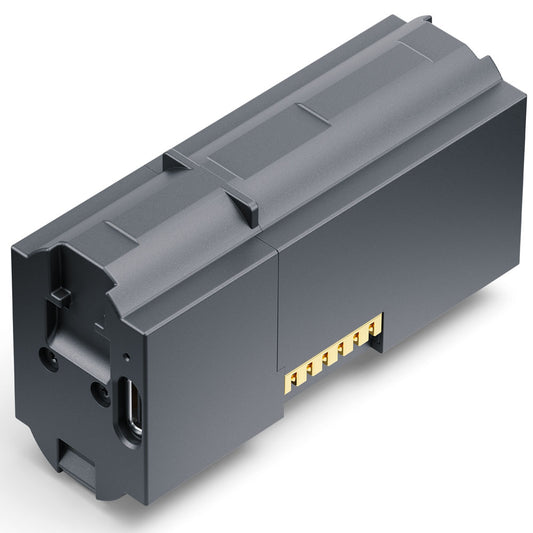
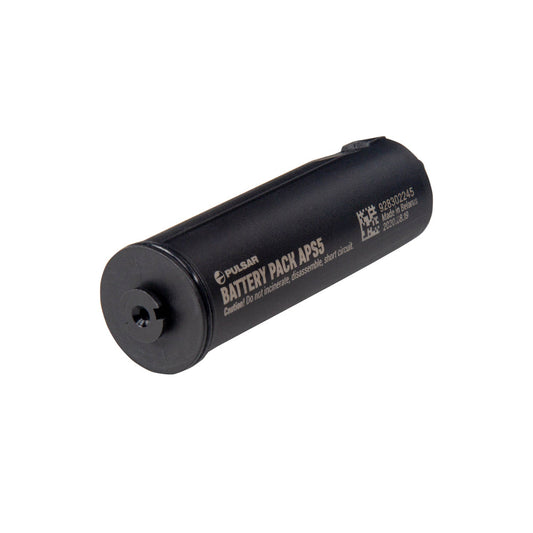

Pulsar Batteries & Power Packs for Thermal Riflescopes, Monoculars, and Night Vision
Pulsar’s dedicated batteries and external power packs are built to keep your thermal and digital optics running through long nights in the field. Instead of relying on generic batteries with unknown quality, Pulsar packs are designed around real-world hunting, surveillance, and professional use—featuring secure locking mechanisms, rugged casings, and capacities sized for multi-hour runtime in harsh conditions.
Pair these power solutions with our thermal riflescopes, thermal monoculars, and digital night vision optics to build complete, ready-for-anything setups for night hunting or observation work.
Buyer’s Guide: Choosing the Right Pulsar Battery Pack
Choosing the right Pulsar battery or power pack comes down to three main questions: which device you’re powering, how long you need it to run, and how you prefer to carry or mount your power source.
Battery Families: APS, IPS, and LPS
APS series (such as the APS 3) are compact, removable batteries commonly used in smaller devices like select Axion, Thermion, and Digex models. They’re ideal when you want low weight and multiple spare packs in your pocket. IPS series (such as the IPS 14) are larger battery packs designed for earlier Pulsar platforms and certain digital/thermal optics, providing extended runtimes in a robust housing. LPS series (such as the LPS-7i) are modern, high-capacity, rechargeable power supplies for compatible Pulsar devices, offering long runtimes and convenient charging while maintaining a streamlined profile.
Capacity and Runtime
Higher-capacity packs provide longer runtimes but typically add some size and weight. Smaller packs like the APS 3 are easy to pocket and swap, while larger packs like the IPS 14 and LPS-7i are built for long sessions—ideal for all-night hog hunts or extended surveillance. In practice, most users carry at least one spare battery regardless of pack size for redundancy and peace of mind.
Device Compatibility
Each Pulsar pack is designed to pair with specific product lines. Before buying, confirm which battery family your optic uses (APS, IPS, or LPS). Matching the correct pack ensures proper fit, secure locking, and accurate remaining charge readings on the device’s interface.
Charging and Power Management
Pulsar power packs are rechargeable and typically support charging through dedicated chargers or compatible power inputs. Many users keep a charger at home and a second in a vehicle or blind. For the best performance and longevity, avoid letting packs fully discharge for long periods and store them partially charged when not in use.
Functions of Pulsar Batteries & Power Packs
Pulsar batteries and power packs are more than simple energy sources; they’re part of an integrated ecosystem designed around thermal and digital optics. Their function is to deliver stable, reliable power in conditions that would quickly drain or damage generic batteries—cold temperatures, long run times, and frequent cycling on and off throughout a hunt or shift.
- Stable power delivery keeps image performance consistent and reduces sudden shutdowns in cold weather.
- Secure locking designs help prevent power loss from recoil or accidental bumps.
- Device-aware battery indicators give you a realistic picture of remaining runtime.
- Rugged housings are sized and shaped to match Pulsar devices for better ergonomics and weather resistance.
Pulsar Battery Model Comparison
| Model | Battery Family / Type | Form Factor | Typical Use | Best For |
|---|---|---|---|---|
| LPS-7i Battery | LPS series – high-capacity rechargeable pack | Integrated-style pack for select Pulsar optics | Long runtime in compatible thermal devices | All-night hunts, surveillance work, extended observation sessions |
| APS 3 Battery Pack | APS series – compact modular battery | Small removable pack for select devices | Quick-swap power on compact thermals and digital optics | Mobile hunters, minimal bulk setups, users who carry multiple spares |
| IPS 14 Battery Pack | IPS series – extended runtime pack | Larger external-style power module | High-capacity power for compatible Pulsar optics | Guides, outfitters, and users running optics for many hours at a time |
Extended Use Cases
All-Night Hog and Predator Hunts
- Carry a larger pack like the LPS-7i or IPS 14 on your primary thermal riflescope or scanner to run all night without interruption.
- Back it up with compact APS 3 batteries for handheld devices or backup optics.
- Rotate packs during lulls in activity so your main optic never unexpectedly dies when game finally appears.
Guides, Outfitters, and Professional Users
- Run multiple Pulsar devices—riflescopes, monoculars, and binoculars—with a mix of APS and IPS/LPS packs so every unit stays online.
- Standardize battery types across your fleet where possible to simplify charging and spares.
- Use high-capacity packs for nightly operations and smaller packs for backup or guest equipment.
Security, Surveillance, and Ranch Work
- Equip surveillance or patrol optics with high-capacity packs to cover long shifts or patrols without frequent swaps.
- Keep a dedicated charger in the office or barn and another in a vehicle so batteries can be topped off between patrols.
- Use compact packs for quick-response kits and larger packs for fixed observation posts.
Tips for Optimizing Pulsar Battery Performance
- Label your batteries with a marker or tape so you can rotate them evenly and track which packs are newest or used hardest.
- Keep batteries warm in cold weather by storing spares in an inside pocket; cold drastically reduces runtime.
- Avoid deep discharges whenever possible; recharge before a pack is totally exhausted to support long-term health.
- Store partially charged (around half full) if you won’t use them for several weeks, rather than fully drained or fully topped off.
- Inspect contacts occasionally and keep them free of moisture, dirt, or corrosion for consistent performance.
Frequently Asked Questions
Are Pulsar batteries interchangeable between all devices?
No. Pulsar uses different battery families (APS, IPS, LPS) designed for specific device lines. Always match the battery type to the device recommended in its manual or product page.
How long will a Pulsar battery run my thermal optic?
Runtime depends on battery type, device, ambient temperature, and feature usage (like WiFi or recording). Compact APS packs typically power several hours of continuous use, while larger IPS or LPS packs can support significantly longer sessions under the same conditions.
Can I charge Pulsar batteries with third-party chargers or power banks?
Use Pulsar-approved chargers and charging methods whenever possible. While some packs can be charged via USB or external power, following Pulsar’s instructions helps protect both the battery and the device.
Do Pulsar batteries handle recoil from magnum calibers?
Pulsar optics and their dedicated power systems are designed to withstand recoil from commonly used hunting calibers. Always verify your specific optic’s recoil rating, but the battery packs themselves are built to stay seated and locked under normal hunting recoil.
How should I store my Pulsar batteries when not in use?
Store batteries in a cool, dry place, ideally half charged, and avoid extreme heat or freezing temperatures. Do not leave packs on a charger indefinitely; top them off before trips and then unplug.
